

The History of Coffee and How It Ended Up in Hawaii
From the legendary highlands of Ethiopia to the lush valleys of Hawaii, the history of coffee is a global tale as rich and complex as the brew itself. Hawaiian Coffee is a rare gem in the world of java and the result of a centuries-long journey that saw coffee plants spread across continents, taking root in diverse cultures and growing economies.
In this guide, we explore the history of coffee, how it eventually reached the United States, and became an important agricultural crop in Hawaii. This journey ultimately gave rise to iconic origins like Kona Coffee and thriving Hawaiian Coffee estates like Kauai Coffee. Pour a cup and settle in for an epic story that sprouts from a few small seeds.
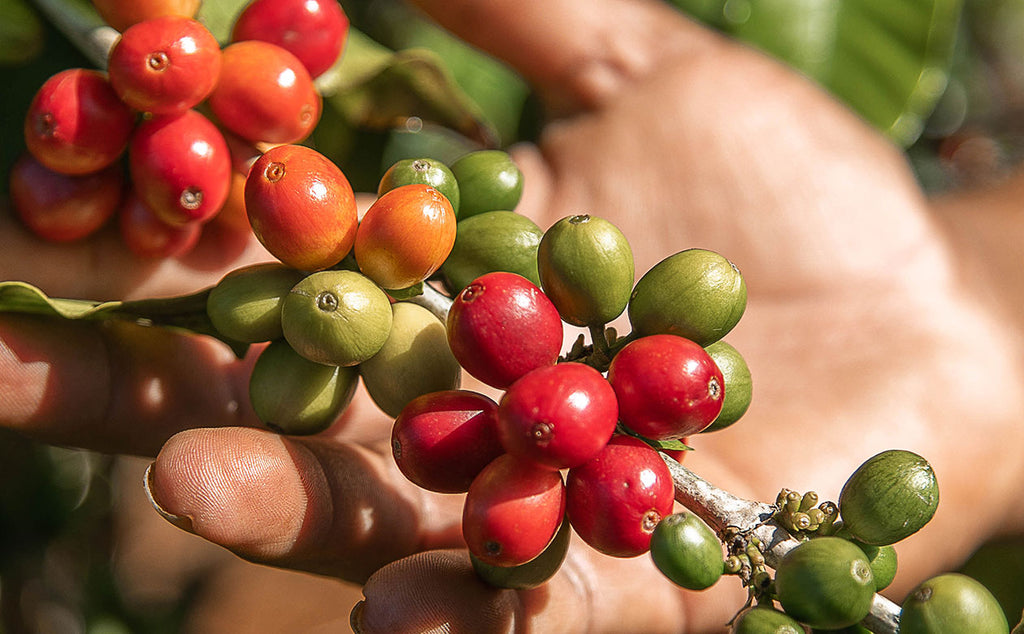
Coffee’s Legendary Origins in Ethiopia
The history of coffee begins in Ethiopia, the birthplace of Coffea arabica. According to legend, coffee was discovered in the 9th century by an Ethiopian shepherd named Kaldi, who noticed his goats becoming unusually energetic after eating bright red coffee cherries. He shared his discovery with a monk, who later brewed the berries into what may have been the first cup of coffee, using it to stay awake through long nights of prayer.
From these beginnings, coffee spread across Ethiopia and into neighboring regions. Sudan and Kenya soon embraced coffee as well, cultivating varietals like Yirgacheffe, Sidamo, and Harrar that remain celebrated today for their floral, fruity, and wine-like profiles.

View of Mocha during the second half of the 17th century. Olfert Dapper, Public domain, via Wikimedia Commons
Coffee on the Arabian Peninsula
As coffee consumption grew in Ethiopia, its reputation reached the Arabian Peninsula. By the 15th century, Yemen, particularly the port city of Mocha, became the center of the global coffee trade. Here, coffee was roasted, brewed, and shared in some of the world’s earliest coffee houses, known as kaveh kanes.
These coffee houses played a pivotal role in the cultural and social life of the time, much like the European cafes would do centuries later. They became hubs for intellectual discussion and were sometimes dubbed 'Schools of the Wise' for the spirited conversations that took place within their walls.

Coffee in South America
Coffee made an illicit voyage to South America in the 16th century. The story goes that a Brazilian diplomat, Francisco de Mello Palheta, was sent to French Guiana to obtain coffee seedlings. The governor refused, but his wife, captivated by Palheta's charm, secretly gave him a bouquet laced with coffee seedlings, which he took back to Brazil.
Those seedlings thrived in Brazil’s soil and climate, eventually transforming the country into a powerhouse of coffee production. Varietals like Bourbon and Typica became foundational to the global coffee industry.
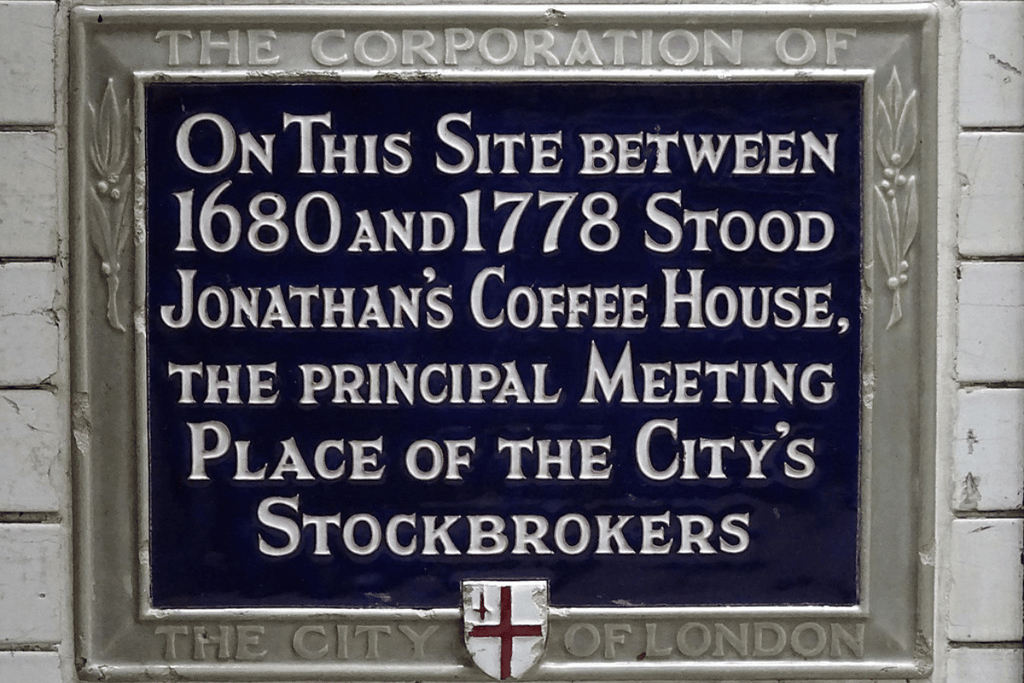
Spudgun67, CC BY-SA 4.0, via Wikimedia Commons
The Beginning of Coffee Culture in Europe
When coffee arrived in Europe in the 17th century, it created a stir that resonated through the continent's social and cultural fabric. Venice's coffee houses opened the door to a burgeoning coffee culture quickly spreading across the continent. London's coffee houses became such centers of commerce that they gave rise to financial institutions like Lloyd's of London.
Historical figures such as Johann Sebastian Bach and Voltaire were known coffee lovers, with Voltaire rumored to consume 40-50 cups per day. Coffee's influence on European culture was immense, paving the way for the Enlightenment period and forever altering the continent's social landscape.
The History of Coffee in the United States
The history of coffee in the US began in the 17th and 18th centuries, when coffee houses appeared in major port cities such as Boston, Philadelphia, and New York. Although tea dominated early American culture, the Boston Tea Party in 1773 helped shift public preference toward coffee as a patriotic alternative to British tea.
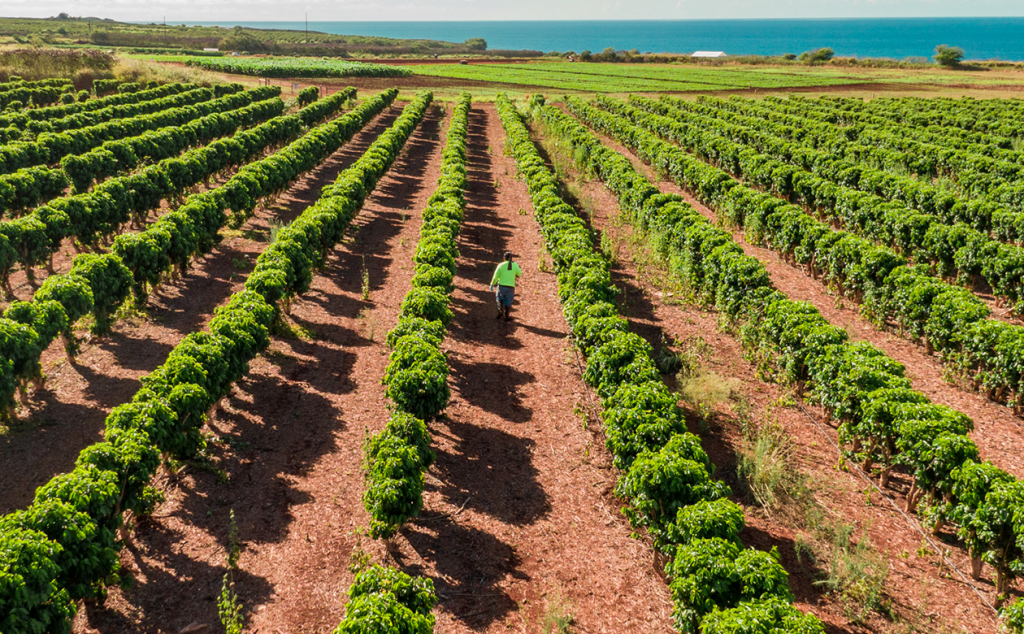
Hawaiian Coffee History
Hawaiian coffee history is filled with unexpected turns and global connections. It begins in the late 18th century, when Spanish seafarer Don Francisco de Paula Marin landed on the Hawaiian Islands and became a trusted advisor and interpreter to King Kamehameha I.
Marin was reputed to be a charismatic individual and skilled botanist who maintained connections with notable pirates of his time, enabling him to acquire seeds and plant cuttings of various crops. Coffee, pineapple, mango, cotton, and oranges are among the crops linked to Marin, and he is believed to have sown the first coffee seeds in Honolulu in 1817. Regrettably, the coffee plants did not thrive, and King Kamehameha I died in 1819.
Following King Kamehameha's death, his son Liholiho succeeded him, becoming King Kamehameha II. In November 1823, King Kamehameha II embarked on a diplomatic journey from Oahu to England, intending to request King George IV establish an alliance with the Hawaiian Kingdom to safeguard against Russian influence in Hawaii.
Everything changed in 1825.

Unfortunately, the mission took a sorrowful turn when King Kamehameha II and his wife, Kamamalu, fell ill with measles and passed away in London. With the demise of the Royal Hawaiian pair, Chief Boki, the Royal Governor of Oahu and a member of the delegation that journeyed to England, took over the mission's leadership and laid the groundwork for the introduction and subsequent commercialization of coffee in Hawaii.
Boki was first exposed to coffee and cafes in London and recognized the potential to grow coffee as a crop in Hawaii. Boki collaborated with British botanist John Wilkinson to bring coffee to Hawaii. They journeyed together on the HMS Blonde back to Hawaii, stopping in Rio de Janeiro, Brazil, to purchase live coffee plants. They planted them in the Manoa Valley on Oahu, where Hawaii’s morning sun, afternoon rain, and mineral-rich volcanic soil proved ideal for cultivation.
While coffee was first cultivated commercially on the north shore of Kauai, the coffee industry continued to gain momentum thanks to Samuel Ruggles, who introduced coffee to Kona in 1828 and helped establish the region’s enduring legacy in Hawaiian Coffee.
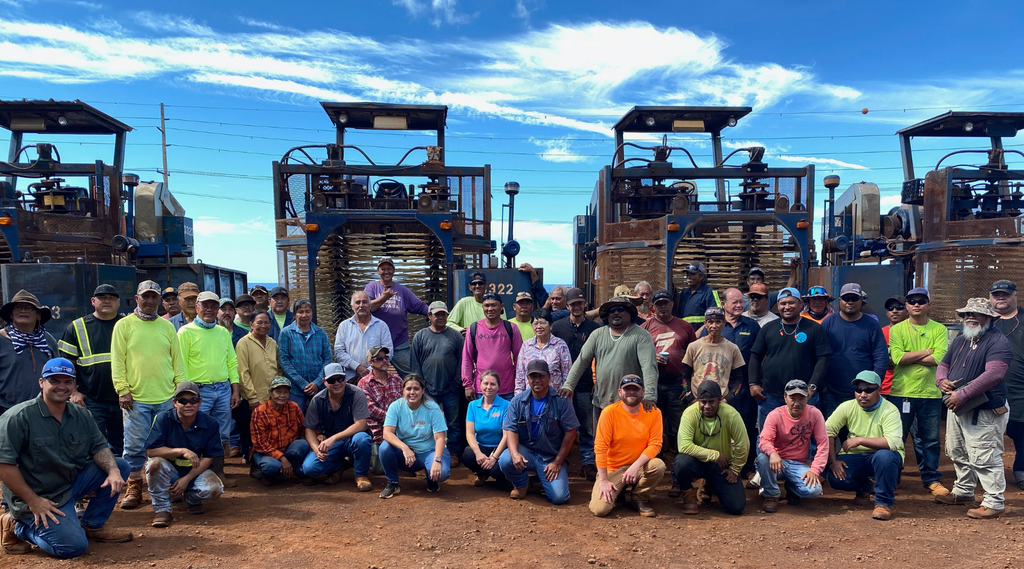
Hawaiian Coffee Today
Modern Hawaiian coffee continues to be defined by its origin, grown on small to mid-sized farms and processed with great care to preserve the unique flavors of the origin. Coffee from Hawaii is celebrated for its smooth, rich taste, often with hints of nuts and fruit, which coffee connoisseurs attribute to the islands' unique growing conditions.

Kauai Coffee History
Kauai's Coffee Company began in the 1800s as the McBryde Sugar Company and fully transitioned into coffee production in 1987 when the sugar industry on the island began to decline. The land that Kauai Coffee now occupies was once part of a larger sugar plantation, and the transition to coffee represented a significant agricultural shift for the island. It was a bold move that has paid dividends, helping to make Kauai a well-respected player in the coffee world.
Kauai Coffee Company Today
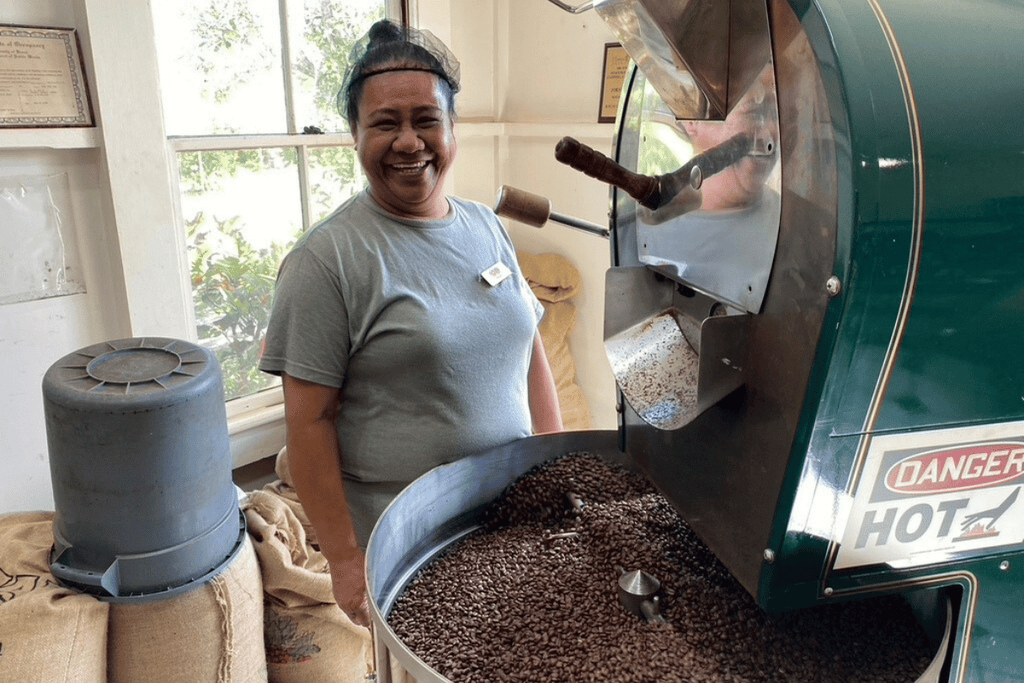
Kauai Coffee Company is an authentic Hawaiian Coffee estate and Hawaii's largest coffee grower. For more than a decade, we have been recognized as the Best Coffee Grower in the All Islands category of the HAWAII Magazine Readers' Choice Awards. We care for over 4 million coffee trees on 3,100 acres, making us the largest coffee grower in the United States, too.
From growing the coffee to roasting and packaging, we employ sustainable, environmentally sound practices throughout every step of the process. Our 100% Hawaiian Coffees are triple certified by leading sustainability advocates, including Fair Trade USA, The Rainforest Alliance, and the Non-GMO Project. Our unique structure enables a complete, seed-to- cup experience that's rare in the coffee industry. Our Visitor Center draws coffee lovers from around the world to the estate to taste and learn about high-quality Hawaiian coffee.

Just the Beginning
The history of coffee, from ancient Ethiopia to the fertile slopes of Kauai, is a story of discovery, adaptation, and cultural exchange. When you savor a cup of Kauai Coffee, you participate in a tradition that spans centuries, continents, and countless hands.
Explore our full collection of exceptionally smooth, delicious 100% Hawaiian Coffees online and taste the incredible journey and history of coffee in every sip.
Frequently Asked Questions
When was coffee discovered?
Coffee was first used in Ethiopia around the 9th century, based on oral tradition and early regional accounts.
How did coffee spread globally?
Coffee moved from Ethiopia to Yemen, then across the Arabian Peninsula, into the Ottoman Empire, through Europe in the 1600s, and finally to the Americas and the rest of the world through trade, conflict, and cultivation.
What is Hawaiian Coffee?
Hawaiian coffee refers to coffee grown in Hawaii, the only US state with a commercial coffee industry. It is known for smooth, high-quality beans grown in volcanic soil, including well-known regions such as Kona, Kauai, and Maui.


