

Why Hawaiian Coffee Tastes Unique: Terroir Explained
Coffee lovers often describe Hawaiian coffee as smooth, naturally sweet, and balanced. If you’ve sampled coffee at our Estate or sipped a fresh pot of Hawaiian Coffee at home, you know it tastes different from coffee grown anywhere else. The reason why can be summed up by a concept long celebrated in the wine industry: terroir.
Coffee terroir refers to the way climate, soil, elevation, and other environmental factors shape the flavor of an agricultural product. In wine, terroir helps explain why grapes grown in one valley taste different from grapes grown just a few miles away. Coffee is no different. The land itself influences the character of the beans, and in Hawaii, that land is unlike anywhere else in the world.
This article explores what coffee terroir means, how it affects coffee quality, and why the growing conditions across the Hawaiian Islands create a cup with unmistakable flavor and body.

What Coffee Terroir Really Means
Terroir describes the natural influences that shape the flavor of coffee beans before they are harvested or roasted. These influences include:
- Climate and rainfall
- Soil composition
- Elevation
- Sun exposure
- Temperature patterns
- Surrounding vegetation
- Seasonal rhythms
Together, these factors influence how the coffee cherries grow, how quickly they mature, and how much natural sugar develops inside the fruit. Terroir is the foundation of coffee quality. It determines the potential of the bean long before processing methods or roasting come into play.
In Hawaii, terroir is especially important because the islands contain a wide range of microclimates. A single slope can shift from sunny to misty within minutes. Rainfall patterns change from one valley to the next. Volcanic soil varies in mineral content depending on age and location. These subtle differences create distinct flavor expressions even among the same coffee variety.

How Hawaiian Growing Conditions Create Flavor
Hawaii’s growing conditions are unique in the world of specialty coffee. The islands sit in a tropical region, but the climate is tempered by trade winds, ample rain, and very gentle temperature swings. These environmental factors create ideal conditions for slow, even cherry development.
Climate and Temperature
Coffee trees thrive in stable temperatures. Hawaii’s sunny days and cool nights help the cherries ripen slowly, which allows sugars to develop more fully. The slower the cherries mature, the sweeter the body in the final cup. The consistent climate also reduces stress on the trees, which supports healthier growth and higher-quality beans.
Rainfall and Moisture
Many Hawaiian coffee regions receive consistent rainfall. This natural rhythm of moisture followed by sunshine supports strong photosynthesis and steady fruit development. The balance of rain and sun is one of the most important factors that influence how the cherries mature and how the final flavor develops.

Volcanic Soil
Hawaii’s volcanic soil is rich in minerals such as iron, magnesium, and potassium. These minerals nourish the coffee trees and contribute to the depth and complexity of the beans. Volcanic soil drains well, which prevents waterlogging while still holding enough moisture to support healthy root systems.
Elevation and Coffee Terroir
Elevation is often highlighted in discussions about specialty coffee. In many regions around the world, coffee grown at higher altitude develops brighter acidity, more aromatic complexity, and a cleaner finish. At high altitudes, cherries grow more slowly, giving sugars and organic acids more time to develop.
While Hawaii does not reach the extreme elevations of some Central or South American regions, many Hawaiian farms still sit at elevations that support excellent flavor development. The moderate elevation, combined with volcanic soil, consistent temperature and sunshine, creates a unique balance that affects coffee in ways not found elsewhere.

Coffee Variety and Terroir
Different coffee varieties respond to terroir in different ways. Some varieties highlight brightness and acidity, while others emphasize sweetness or floral notes. We grow six varieties that thrive in the islands’ growing conditions, including Typica, Catuai (red and yellow), Kauai Blue Mountain, Acaia, Mundo Novo and Yellow Bourbon.
Because terroir affects coffee at every stage of growth, even small changes in soil or rainfall can affect the flavor profile. This is part of what makes Hawaiian coffee so captivating. You aren’t just tasting coffee from a specific place, but a specific time too.

Processing Methods and Their Influence
After the coffee cherries are harvested, processing methods play a major role in shaping the final flavor. However, processing can only enhance what the terroir has already created.
In Hawaii, washed processing is common because it highlights the natural clarity and sweetness of the beans. Washed coffees tend to produce clean, bright flavors that allow the terroir to shine. Natural and honey processing are also on some farms and small batches, adding fruit-forward notes or richer body.
Processing methods interact with terroir rather than overpowering it. When the beans come from healthy trees grown in nutrient-rich soil under ideal environmental conditions, the final cup reflects that quality.
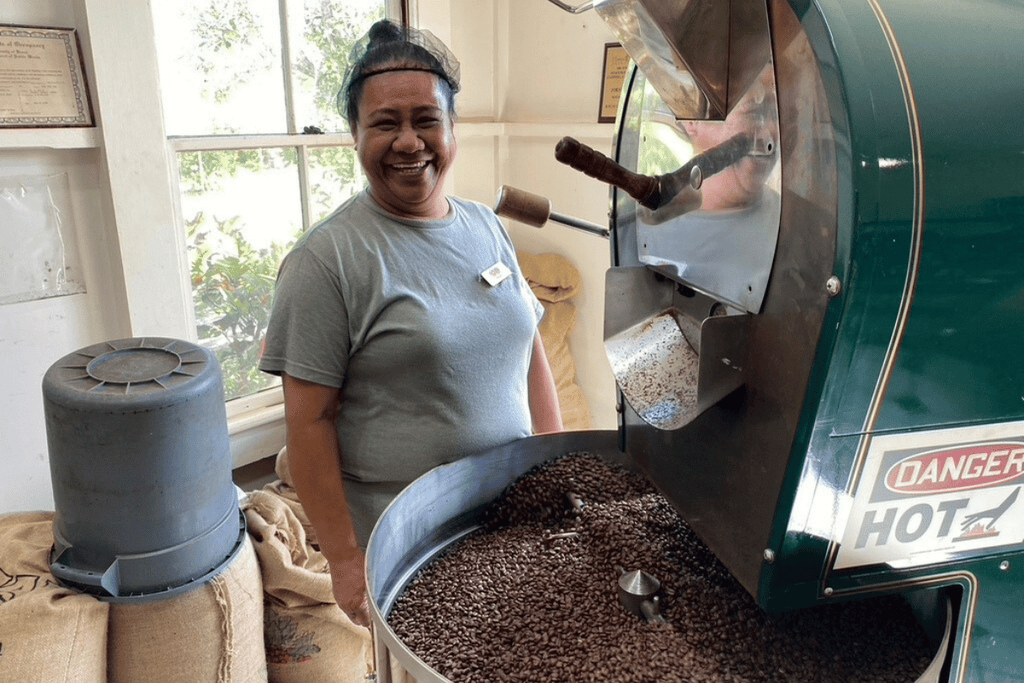
How Roasting Brings Terroir to Life
Roasting is the final step in expressing terroir. Lighter roasts are especially effective at showcasing the nuances created by climate, soil, and elevation. They preserve the natural acidity, sweetness, and aroma that originate in the orchard.
Medium roasts highlight balance and body, while darker roasts emphasize richness and depth. No matter the roast level, the underlying character of Hawaiian terroir remains present.

Why Kauai Coffee is a Cup Above
Our 100% Hawaiian Coffee is exceptional because of our unique combination of natural elements and dedicated growers, roasters, and staff who love the land (‘aina) and our island community.
Together these factors create a cup that tastes like the place it comes from. It carries the warmth of the islands, the richness of the soil, and the care of our dedicated ‘ohana who care for our trees, harvest, process, roast and ship our coffee worldwide.

The Future of Hawaiian Coffee Terroir
As climate patterns shift and global demand for specialty coffee grows, understanding terroir will become even more important. Hawaiian Coffee growers will continue to study how environmental factors affect coffee quality and how sustainable practices can protect the land for future generations.
From soil health to shade management to water conservation, every decision influences the way your coffee tastes. By honoring the land and its natural rhythms, Hawaii continues to produce coffee that reflects its unique identity.

Taste Paradise with Kauai Coffee
Coffee terroir is more than a concept or flavor. It is a story about connection. It is the relationship between the land, our people, and the cup in your hands. Hawaiian Coffee is special because Hawaii is special. The islands offer a rare harmony of climate, soil, and culture that can’t be replicated.
When you enjoy a cup of 100% Kauai Coffee, you are tasting the result of countless natural influences working together. You are tasting the rain, the sun, the volcanic earth, and the gentle trade winds. You are tasting a place that is alive, vibrant, and deeply rooted in tradition and expertise. Shop our complete collection of 100% Hawaiian Coffees online now.


