

How Different Coffee Processing Methods Affect Flavor
Long before a bag of Kauai Coffee reaches your kitchen, something magical happens on the farm. Coffee cherries are picked and prepared for the transformation from fruit to green beans to roasted coffee. The step between harvest and roasting is called processing and the ways it can be done influence the final flavors you taste in your cup.
Processing may sound complicated, but it is just the industry term for removing the coffee cherry fruit from the seed and drying that seed so it can be roasted. The method chosen can affect sweetness, acidity, aroma, and body. At Kauai Coffee Company, we use a washed process for the majority of our 100% Hawaiian Coffee but also experiment with small batches of sundried and barrel aged beans to craft limited edition coffees. This guide shares everything you need to know about processing methods so you can taste paradise in every cup.

What Happens After Harvest?
When coffee cherries are harvested, they are colorful and full of natural sugars. Inside each cherry are one to two seeds wrapped in layers of fruit, mucilage, and skin. Processing coffee removes those layers and dries the beans to a stable moisture level. The amount of mucilage left on the beans, the length of drying time, and the environment all influence the final flavor.
The Washed Process: Clean, Bright, and Classic
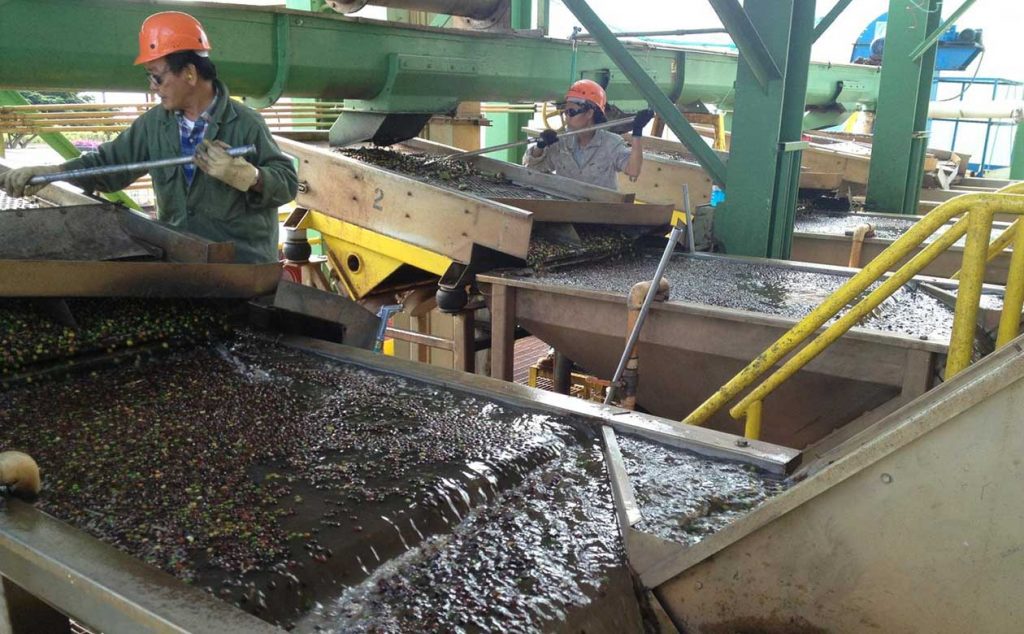
The washed process, sometimes called wet processing, is one of the most widely used methods. After harvest, the cherries are pulped to remove the outer fruit. The beans are then rinsed to wash away most of the remaining mucilage. What remains is a clean, parchment‑covered bean that dries well.
This method produces coffees known for clarity and balance. The flavors are crisp and bright, with a refreshing acidity that lets the natural character of the bean shine. Kauai Coffee is the largest coffee farm in the USA and harvests cherries from four million trees! We use the wash process for most of our 100% Hawaiian Coffee to make sure we can process quickly and efficiently. We also reuse our processing water on the farm, so nothing goes to waste.

The Sundried Process: Sweet, Fruity, and Full‑Bodied
The sundried method, also known as natural processing, takes a more traditional approach. Instead of removing the fruit immediately, the cherries are spread out on raised beds or patios and dried whole. Sunlight, airflow, and time do the work. As the cherries dry, the fruit slowly shrinks around the seeds, allowing sugars and fruit flavors to infuse the beans.
This method requires patience and attention, but the results are delicious. Natural process coffees are known for their deeper sweetness and fruit‑forward flavors. Hawaii’s warm, steady climate makes sundried processing a natural fit, and on occasion, we craft small batches of limited edition sundried coffees that are exceptional.

Honey Processing: A Middle Ground
Around the world, honey processed coffees offer a bridge between washed and natural methods. Instead of removing all the mucilage or leaving the fruit fully intact, coffee growers leave a controlled amount of sticky fruit on the beans as they dry. The more mucilage left behind, the darker the honey classification becomes, ranging from yellow to red to black honey.
Honey-processed coffees often have a balanced sweetness and a gentle fruitiness. While Kauai Coffee Company does not use this method, it helps illustrate how small changes in processing can create differences in flavor.
Wet‑Hulled Coffees: A Distinctive Regional Style
Wet‑hulling is a method used primarily in Indonesia. In this process, the parchment layer is removed before the beans are fully dried. This exposes the beans to the elements earlier than in other methods and creates a distinct flavor profile. Wet‑hulled coffees are known for their earthy, herbal notes and heavy body. They offer a striking contrast to the bright clarity of washed coffees or the fruit‑forward sweetness of naturals.

A Specialty Twist: Rum Barrel Aged Coffee
While traditional processing shapes the foundation of flavor, there is also room for creativity. Our Rum Barrel Aged Coffee is a perfect example. Instead of altering the way the fruit is removed or dried, this technique infuses green beans with the aroma and character of Koloa Rum barrels before roasting. The beans rest in the barrels absorbing notes of vanilla, oak, and warm spice over time.
The result is a cup that is elevated and unexpected. The flavors unfold slowly and linger long after the last sip. Barrel aging is not a processing method in the traditional sense, but it is a unique step in the process you won’t find everywhere.

How Processing Shapes the Final Cup
When you compare processing methods, the differences are clear. Washed coffees tend to produce clean and bright coffee, while naturally processed coffees are sweeter and fruitier. Honey-processed coffees offer a balanced middle ground. Wet‑hulled coffees bring bold, earthy richness. Barrel aged coffees add aromatic depth that cannot be achieved with traditional processing methods alone.

Taste Paradise
Understanding these differences helps you choose the right coffee for your taste. If you love a crisp and delicious cup, washed coffees are a wonderful place to start. If you are drawn to sweetness and fruit, natural coffees might be your perfect match. If you enjoy something adventurous and aromatic, our rum barrel aged beans offer a one‑of‑a‑kind experience. Shop online now to try them all.
Common Questions
What are the different types of coffee making process?
Coffee making process can refer to two things. In the world of farming, it means the methods used to turn coffee cherries into green beans, such as washed, natural, honey processed, or wet‑hulled. In the world of brewing, it refers to how you prepare your cup at home. Brewing methods include pour over, French press, espresso, cold brew, and drip coffee. Each brewing style highlights different aspects of the beans, but the foundation of flavor always begins with the processing method used on the farm.
How does processing affect the sweetness of coffee?
Sweetness in coffee begins inside the fruit itself. Processing determines how much of that natural sugar reaches the beans. Natural and honey-processed coffee can taste sweeter because the beans dry inside the cherry fruit, allowing sugars to migrate inward. Washed coffees taste crisp and more delicate because most of the fruit is removed before drying. Climate and varietal also play a role, which is why Hawaii’s warm, steady weather produces naturally sweet coffees across all methods.
Is barrel aged coffee a processing method?
Barrel aging is not a traditional processing method, but it is a post‑processing technique that adds aromatic depth. Green beans are placed in barrels that once held spirits, such as rum, and allowed to absorb the natural aromas of the wood. Kauai Coffee Company uses rum barrels to create a coffee with warm spice, vanilla, and oak notes. It is a specialty offering that shows how craftsmanship can enhance flavor even after processing is complete.
Does processing change how I should brew my coffee?
You can brew any processing style using your favorite method, but certain pairings bring out the best in each coffee. Washed coffees shine in pour over or drip brewing because these methods highlight clarity. Natural coffees often taste richer and more layered in French press or espresso preparations. Barrel aged coffees are especially enjoyable in slow brewing methods that allow their aromatic complexity to unfold. The best approach is to experiment and discover what you enjoy most.


