

How to Brew Whole Bean Coffee
If you want to brew better coffee at home, learning how to buy and brew whole bean coffee is one of the best upgrades you can make. When you decide how the coffee beans are ground and brewed, you have complete control over the flavor, strength, and consistency of your cup.
This guide walks you through how to buy high-quality whole bean coffee and brew it at home with your favorite method.

How Does Brewing with Whole Bean Coffee Make a Difference?
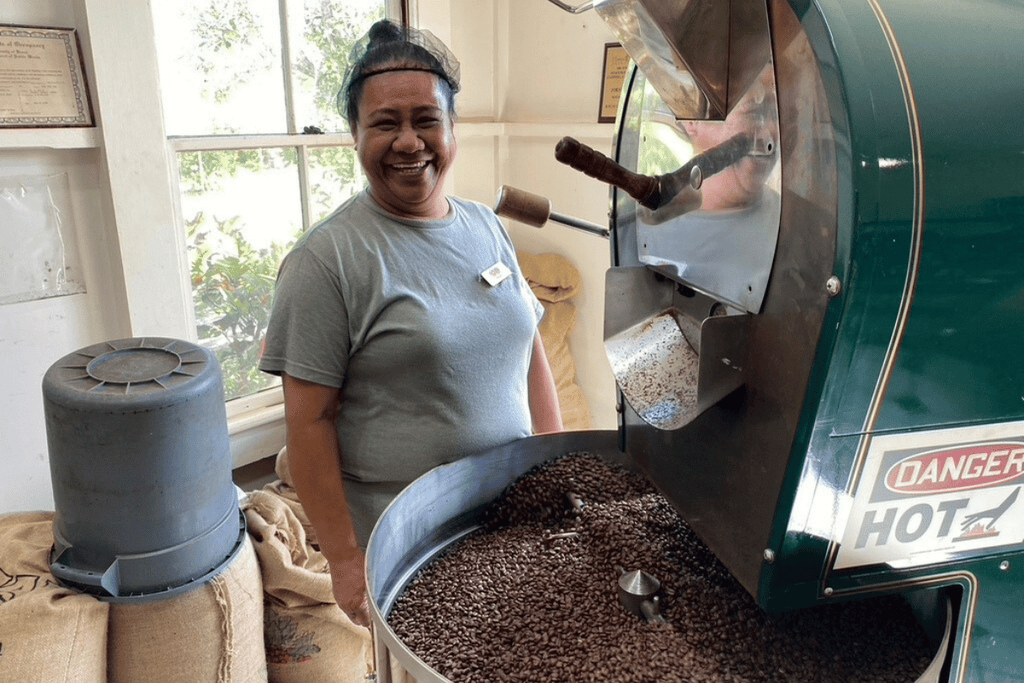
Roasting coffee transforms green beans into the fragrant, delicious coffee you buy, whole or pre-ground, at the grocery store or from a roaster. During roasting, high heat causes the sugars in the beans to caramelize and the beans to develop a brown color. As the beans continue to roast, water is driven out, bringing the oils and flavor compounds to the surface and creating the shiny appearance of medium- and dark-roast beans.
Keeping the bean's structure intact until you are ready to brew it protects its oils and aromatic compounds. Once coffee is ground, more of the bean’s surface area is exposed to air, which starts to degrade the flavor.
Starting with Good Beans
Before brewing, the most important decision is what coffee to buy. Labels on a bag of whole bean coffee can tell you quite a bit if you know what to look for.
Roast Date and Best By Dates
Look at the bottom of your coffee bag to see if there is a roast date or best by date. These will tell you how long the beans will stay fresh in an unopened bag of coffee. Once opened, it is best to seal your unused beans in an airtight container in a cool, dry place and use them within a few weeks.
Varieties
A varietal refers to the specific type of coffee plant the beans came from, much like the way grape varieties are used in wine.
Different varietals naturally produce different flavors. Some may be brighter and citrus-forward, others more chocolatey or nutty. The varietal influences what the coffee can taste like before roasting and brewing even begin.
When a coffee lists its varietal on the label, it is a sign of transparency and quality. It means the producer is confident in the distinct characteristics of that coffee. At Kauai Coffee, we grow six unique varietals of coffee, including Kauai Blue Mountain, Mundo Novo, Typica, Red and Yellow Catuai, and Yellow Bourbon.
Origins and Estates
Coffee labels often mention where the beans were grown. Single estate coffee means all the beans come from one farm or estate. Our 100% Hawaiian Coffee is single-estate and under our care from seed to cup. Buying single estate or single origin coffee is a great way to get a more consistent flavor in every cup and know exactly where your coffee came from.
Blend is a term you may see used to describe a combination of varietals from a single origin or estate or used to describe coffee that comes from multiple locations.
Many coffee drinkers prefer single estate coffee due to the clarity of the cup and transparency in the cultivation, roasting, and packaging of the coffee.

Coffee Certifications
Certifications on a coffee bag signal how the coffee was grown, sourced, and handled. 100% Hawaiian Coffee is triple certified by leading sustainability advocates including.
Rainforest Alliance
This certification focuses on environmental sustainability and responsible farming practices. It supports biodiversity, conservation, and better conditions for farm workers.
Fair Trade USA
Fair Trade certification emphasizes fair wages, safe working conditions, and equitable trade relationships for farmers. It helps ensure producers are paid more fairly for their work.
Non-GMO Project Verified
This label confirms that the product has been verified to avoid genetically modified organisms throughout the supply chain.
When you see multiple certifications on a package of whole-bean coffee, it reflects a broader commitment to both environmental and social responsibility.

Other Quality Signals
Beyond certifications, a few additional details are worth paying attention to on your bag of coffee:
- Clear origin and company information
- Clearly labeled roast level
- Packaging that protects beans from air and light
These indicators do not guarantee perfect coffee, but they increase your odds of starting with a high-quality product.

Grinding Whole Bean Coffee
To brew coffee from whole beans, you do need to grind them first. A consistent grind is the key to a great cup of coffee. There are several types of at-home coffee grinders, but a burr-style grinder produces more evenly ground coffee, leading to better results.
The grind size must match your brewing method. Use our grind guide for detailed instructions:
- Coarse grind for French press and cold brew
- Medium grind for drip coffee
- Medium-fine for pour over coffee
- Fine grind for espresso machines
Water and Balance
Coffee is mostly water, so it makes sense that water plays a major role in brewing. Using clean, filtered water allows the coffee's flavors to come through clearly.
Water temperature is important too. Water that is too hot can pull out bitterness, while cooler water may not extract enough flavor. Using water just below boiling, around 195°F to 205°F, is the best place to start. Use our coffee to water brewing ratios for the perfect balance of coffee and water for your brewing method.

Choosing Your Brewing Method
There are many ways to brew an excellent cup of coffee at home.
- A French press is slow and immersive. It steeps coarse grounds in hot water, resulting in a rich, full-bodied cup.
- Pour-over coffee is more hands-on. You pour water slowly over ground coffee in a ceramic vortex, which creates a clean and bright cup.
- Drip coffee machines are easy and consistent. It is a great way to brew for one or for a crowd.
- Cold brew steeps in cold water overnight, drawing out more of the coffee's dark, chocolaty, and nutty notes.
- Even espresso machines and manual brewers use heat and pressure to create an intense, concentrated cup you can layer with milk, water, or cream.

Bringing It All Together
When you choose high-quality beans, understand what the label is telling you, and grind your whole bean coffee just before brewing, you can brew a barista-quality cup of coffee at home. At Kauai Coffee, our 100% Hawaiian Coffee is sustainable, grown with aloha and is available in both whole bean and custom-ground options. Shop our complete collection of single estate varietals and blends now.
Frequently Asked Questions
How do you brew coffee from whole beans at home?
Start by grinding your beans fresh, choose a grind size that matches your brewing method, use filtered water at the right temperature, and brew with a balanced ratio.
Does grinding fresh really make a difference
Yes. Fresh grinding preserves aroma and flavor, giving you a more vibrant and enjoyable cup of coffee.
What is the best grind size for whole bean coffee?
It depends on how you brew. Coarse grounds work for French press and cold brew, medium for drip coffee, and fine for espresso.
Can you brew whole coffee beans without grinding
Yes, it is technically possible to steep whole beans, but it is not advised. You’ll get a very weak-tasting cup. Grinding is important because it allows water to extract more flavor from the coffee.


